
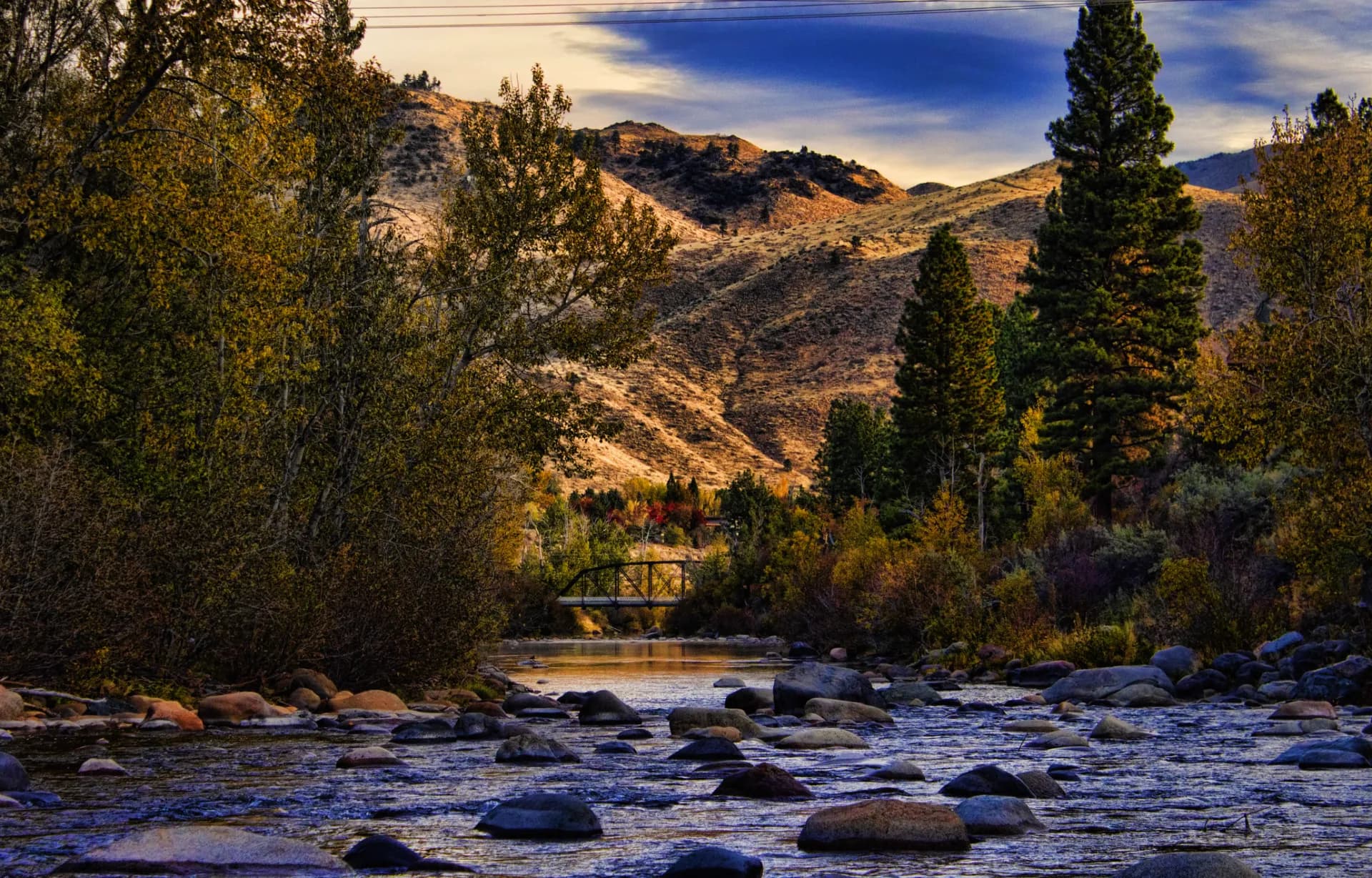

Tahoe winters are beautiful, and brutal. Protecting your vacation rental from winter damage is essential for avoiding costly repairs and keeping guests happy. Here's our winterization checklist.
Timing Matters
Complete winterization by late October. First significant snowfall can arrive as early as Halloween in the Tahoe region.
Exterior Winterization
- Roof Inspection: Check for damaged shingles, clear debris, and make sure drainage is working properly. Snow loads in Tahoe can exceed 100 lbs/sq ft.
- Gutter Cleaning: Clear all gutters and downspouts. Install gutter guards if not present. Ice dams cause significant damage.
- Exterior Pipes: Drain and disconnect all outdoor hoses. Shut off exterior water supply lines and insulate exposed pipes.
- Deck & Patio: Store or cover outdoor furniture. Remove cushions and store indoors. Inspect deck for needed repairs.
- Hot Tub Prep: If winterizing: drain completely and blow out lines. If operating: make sure the chemical balance and heater are working properly.
- Snow Removal Plan: Confirm snow removal service. Mark property boundaries and any obstacles that will be buried.
Heating System
- HVAC Service: Schedule professional inspection. Replace filters. Clean ducts if needed.
- Fireplace/Wood Stove: Chimney inspection and cleaning. Stock firewood (if wood-burning). Test ignition systems.
- Space Heaters: Test all supplemental heaters. Replace batteries in smart thermostats. Program temperature schedules.
- Propane: Schedule propane delivery. Make sure the tank is at least 50% full before winter. Clear snow access path.
Critical: Freeze Protection
Never let interior temperatures drop below 55°F. A single pipe burst can cause $50,000+ in damage. Use smart thermostats with low-temp alerts.
Plumbing Winterization
- Know Your Shut-Offs: Locate and label main water shut-off. Make sure all family members or managers know the location.
- Pipe Insulation: Add insulation to pipes in unheated spaces: crawlspaces, garages, exterior walls.
- Cabinet Doors: Keep cabinet doors under sinks open during cold snaps to allow warm air circulation.
- Drip Faucets: During extreme cold (-10°F or below), let faucets drip slowly to prevent freezing.
Safety Equipment
- Smoke Detectors: Test all units. Replace batteries. Add interconnected alarms if not present.
- CO Detectors: Essential with any gas or wood heating. Test and replace batteries.
- Fire Extinguishers: Check expiration dates. Make sure there is one near kitchen and one near any fireplace/stove.
- Emergency Kit: Stock flashlights, batteries, blankets, non-perishable food for power outages.
Guest Preparation
- Tire Chains: Provide or require 4WD/AWD. Stock chains and instructions. Mark chain-up area location.
- Welcome Guide Update: Include winter driving tips, road closure info, emergency contacts.
- Snow Removal Tools: Provide quality snow shovel, ice melt, and broom for car clearing.
- Boot Tray & Rack: Set up entry area for wet gear. Provide boot dryer if possible.
“We've seen properties lose entire ski seasons to preventable winter damage. A $500 winterization investment prevents $50,000+ disasters. It's not optional in the Sierras: it's essential.”
Michael Lawton, Founder
Frequently Asked Questions
When should I winterize a Tahoe vacation rental?
Finish by late October. Significant snow can arrive in the Tahoe region as early as Halloween, and every task on the checklist is harder, slower, and more expensive once the first storm has landed. Treat late October as the deadline rather than the target.
What indoor temperature stops pipes from freezing?
Never let interior temperatures fall below 55°F, including during vacant stretches between bookings. Use a smart thermostat with a low-temperature alert so you learn about a heating failure while it is still a heating failure and not yet a burst pipe.
What are the most commonly missed winterization steps?
Draining and shutting off exterior pipes and spigots, insulating pipes that run through crawlspaces, garages, and exterior walls, and knowing where the water shut-offs are before an emergency. During extreme cold, leaving cabinet doors open under sinks and letting faucets drip slowly are simple, effective protections.
What safety equipment does a winter rental need?
Tested smoke detectors with fresh batteries, carbon monoxide detectors wherever there is gas or wood heat, and in-date fire extinguishers near the kitchen and any fireplace or stove. Stock an emergency kit with flashlights, batteries, blankets, and non-perishable food, because winter power outages happen.
What should guests be given for a winter stay?
A welcome guide covering winter driving, chain requirements, road-closure information, and emergency contacts, plus a quality snow shovel, ice melt, and a broom for clearing their car. Guests who arrive unprepared for a Sierra storm generate both bad reviews and avoidable call-outs.
Need Help Winterizing?
Our team handles complete winterization for all properties we manage.
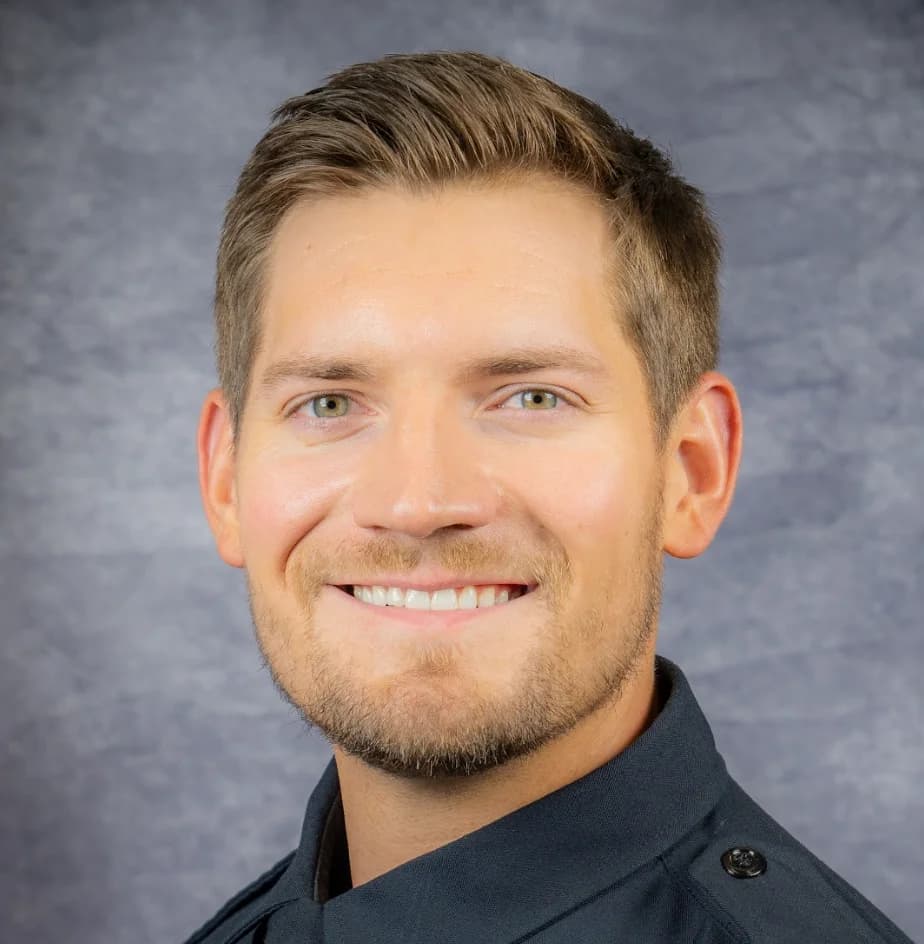
Founder & CEO, Duvoire Property Management
Michael is a Reno-Tahoe property owner and hospitality expert who founded Duvoire to bring institutional-grade management with a personal, local touch to every property in the region. He writes about vacation rental strategy, market trends, and property investment across the Sierra Nevada.
View full profile