


Here is the answer, before the table. In the three jurisdictions the Reno-Sparks Convention and Visitors Authority collects for (Reno, Sparks and unincorporated Washoe County, which includes Incline Village), Airbnb collects and remits your lodging tax for you. On the California side it does not, in the two jurisdictions most Duvoire owners sit in. The Town of Truckee says outright that listing platforms do not remit for any property in Town, and Placer County says no platform has an agreement with it at all. That single difference, across a state line you can drive over in twenty minutes, is where the penalty letters come from. We got it wrong in one of our own Truckee guides until we corrected it this week, which should tell you how easy it is to get wrong.
What follows is the reference table I wanted and could not find anywhere. Eight jurisdictions between Reno and the south shore. For each one: who registers, whether the platform remits or you do, the current rate with any district assessment on top, and how often you file. Every cell comes from the taxing agency’s own page, or it is marked hedged: because the agency blocks automated reading, or because it simply never says. The hedged ones are listed separately rather than buried. A confident wrong cell here costs you money.
One disclaimer, said once and meant. This is a reference, not tax advice. Your CPA decides what you owe and your attorney decides what you sign. I am not one, and neither is any article.
All eight jurisdictions, four columns each
Find your row. The rate column is what the guest pays on top of rent, and the last column is the one owners skip.
| Jurisdiction | Who registers | Platform or you | Current rate | Cadence & zero returns |
|---|---|---|---|---|
| City of Reno | Room tax license from the RSCVA, and that is the whole of it at city level. Reno has no short-term rental permit, and it lists short-term rentals as exempt from a City business license. | Airbnb collects and remits. Everything booked elsewhere is yours. | 13.0% in suburban District B; 13.5% downtown and within a mile of it. | Homeowner rentals quarterly. Due the 1st, delinquent after the 15th. File even with nothing due. |
| City of Sparks | RSCVA room tax license. Sparks delegated collection to the RSCVA alongside Reno. | Airbnb collects and remits. Everything booked elsewhere is yours. | 13.5%. | Same as Reno. Quarterly for homeowner rentals, delinquent after the 15th. |
| Unincorporated Washoe County: Incline Village, Crystal Bay | County STR permit before you advertise. No business license. RSCVA tax number unless every booking is Airbnb. | Airbnb collects and remits, and it is the only platform the RSCVA issues a general tax number to. Any second platform means your own license. | 13.0% in both Washoe districts, Incline and Crystal Bay included. | Quarterly for homeowner rentals; monthly for agency-managed. A signed return is required even when nothing is owed. |
| Town of Truckee | Annual Transient Occupancy Registration Certificate from the Town, on top of the capped STR certificate. | You. The Town states platforms do not automatically collect or remit for any property in Town. | 14.0% on stays from July 1, 2026: 12% TOT plus a 2% district assessment, up from 1.25%. Stays before that date are 13.25%. | Quarterly through the STR portal: May 1, Aug 1, Nov 1, Feb 1. A return is due every quarter, rentals or not. |
| Placer County: eastern slope | Free registration certificate from Revenue Services, posted on the premises, plus the county STR permit. | You. The county says Airbnb, VRBO and Flipkey have no agreement with it. | 10% on the eastern slope, 8% on the western, plus the North Lake Tahoe district assessment (2% in the zone nearest the lake, 1% further out) on the same return. | Quarterly, or monthly above $400,000 of TOT in a fiscal year. A return is required with no rentals, per section 4.16.070. |
| City of South Lake Tahoe | VHR permit to operate or advertise, plus registration with the City for tax. | You. The City runs collection and remittance through the operator. | 12% or 14% depending on tier (see the hedge below) plus a nightly tourism district fee of $5.50 on timeshares and agent-managed vacation rentals. | Owners get forms quarterly, in March, June, September and December. Agencies file monthly. Due the 15th of the month after the period. |
| Unincorporated El Dorado County: Meyers, Tahoma | VHR permit and a TOT registration certificate from the Treasurer-Tax Collector. | Treat it as yours. Press coverage from 2018 described an Airbnb collection agreement for the unincorporated county. No county page I could reach confirms it still stands, so verify before you rely on it. Hedged. | 14% in the Tahoe basin against 10% on the west slope: the 10% base plus 4% for road work under voter-approved Measure S, per the County’s own discretionary TOT budget document. | Quarterly on the county return, which carries a no-receipts option for an empty quarter. Hedged. |
| Douglas County: Tahoe Township | County VHR permit and a room tax account with Douglas County Finance. | Treat it as yours. I found no county statement that a platform remits on your behalf. Hedged. | 14% plus $5 per room per night in Lake Tahoe Township: a 4% lodging license tax, an 8% occupancy tax, a 2% lodging rental tax, and the nightly Tahoe surcharge. The rest of the county is 13%. | Monthly. Tax on one month’s stays is due by the last day of the next: June stays by July 31. The county’s portal takes $0 returns. |
Nevada rates are the district schedule in the RSCVA’s transient lodging tax and surcharge regulations, the version dated June 2019 and still the current one the Authority publishes. The RSCVA prints its returns in 13.0% and 13.5% flavours, which matches. Verify your own district with the Authority rather than reading it off a map.
One warning about the Truckee row, because it will look like an error. The Town’s tax page still heads its rate section with a current guest levy of 13.25%, and describes the move to 14% in the future tense, even though the increase it describes took effect on July 1, 2026. Both numbers are live in a sense: 13.25% is what a stay before that date is taxed at, 14% is what a stay after it is taxed at, and a return filed now can straddle the two. Read the date on the stay, not the headline on the page.
The four answers I will not state flatly
Four answers above are softer than the rest, and two of them are soft in the same place: nobody will tell me in writing whether a platform is remitting. Here is exactly why, so you know which phone call to make first:
City of South Lake Tahoe: which rate tier you sit in
The city describes a January 1, 2017 increase that moved properties previously taxed at 10 percent to 12 percent, and properties previously at 12 percent to 14 percent. It does not state one flat vacation home rental figure in plain view. Ask the city which tier your address falls in before you file a first return.
Unincorporated El Dorado County: whether a platform still remits
The rate I am confident about: the County budget puts the Tahoe basin at 14 percent against 10 percent on the west slope. What I could not confirm is the platform question. News coverage from 2018 reported an Airbnb agreement covering the unincorporated county, and the Treasurer-Tax Collector pages and TOT forms refuse automated requests, so I could not check whether it still operates. Ask the Tax Collector before you assume a platform is filing for you.
Douglas County: whether any platform remits
The rates are not in doubt here; the county publishes them plainly and they are in the table. The gap is the same one as El Dorado. No Douglas County page I read says a booking platform collects or remits room tax on an owner’s behalf, and absence of a statement is not a statement of absence. File as though it is yours and ask Douglas County Finance.
City of Sparks: the registration side
The tax half is clear: Sparks delegated collection to the RSCVA along with Reno and Washoe County. What I could not verify on the city’s own site is a standalone short-term rental ordinance, and I have now looked twice. No county permit is available inside Sparks either, since Washoe County has no jurisdiction there. Sparks’ own business-license definition catches residential rental only above a unit threshold a single home would not reach, though the code carries a broad catch-all. Call Sparks Business Licensing before you list, and check whether your parcel is actually inside the city: parts of Spanish Springs and Sun Valley are not.
A tax line on the guest’s receipt is not a remittance
This is the mistake. An owner opens the Airbnb payout breakdown, sees a line called occupancy taxes, and concludes the platform is handling it. Sometimes that is true. Often the platform is only calculating and passing the money through to you, inside a payout that also contains your rent, and the filing obligation never moved an inch.
The RSCVA is unusually clear about the Nevada half, and it is worth quoting because so few agencies say it this plainly. Its Airbnb host FAQ says that on March 15, 2016 Airbnb began “collecting and remitting transient lodging tax on behalf of all hosts for all bookings on the Airbnb platform,” and that hosts have no option in the matter. It then adds the part owners forget: if your rentals only come from Airbnb you do not need a licence, but you do need one the moment a booking arrives from anywhere else, and that tax is yours to collect and remit.
Washoe County adds a wrinkle in its short-term rental FAQ. Airbnb is the only platform the RSCVA issues a general tax number to. If a property is rented through multiple platforms, the county says, every homeowner or manager must hold a licence with the RSCVA even if they are also using Airbnb. Rent through Airbnb alone and you get the number from Airbnb; add a second channel and the licence becomes yours. Owners in Incline Village who added Vrbo for shoulder season and never told the Authority are the ones this catches.
Now Truckee, where the same instinct is wrong. The Town’s transient occupancy tax page states that listing platforms like Airbnb do not automatically collect or remit TOT for any property in the Town of Truckee, and that remitting quarterly is the owner’s responsibility. Placer County is equally direct on its TOT questions page: Airbnb, VRBO and Flipkey have no agreement with the county to collect and remit on anybody’s behalf. Two counties, one lake, opposite answers.
The one thing to check this afternoon
Open your platform’s tax settings and find out whether it is remitting to your jurisdiction or handing the money to you. Then open your last payout and see whether the tax arrived in your bank account. If it did, it is yours to file, and it has been sitting in your operating account looking like income.
Liability never leaves the owner
Even where a platform does remit, the licence, the registration certificate and the return stay in your name. Placer County wants its certificate posted in a conspicuous place on the premises, under section 4.16.060. Truckee wants an annual registration certificate for every short-term rental. The RSCVA goes further than either: it can put a lien on a delinquent operator’s business property, and it can declare an operator a habitual delinquent after sixty days, or after two delinquencies inside twelve months.
No agency in this table collects from Airbnb on your behalf and then treats your account as somebody else’s problem. If the number is short, the letter comes to you.
Nevada’s 28-day exemption unwinds if the guest leaves early
Nevada draws its transient line at 28 days rather than California’s 30, and the exemption above that line has teeth in it. Section 6.1 of the RSCVA regulations exempts a rental of 28 consecutive days or more, then immediately narrows it: no rental counts unless the room is paid for at least that period in advance and continuously occupied for the entire 28 days, with no termination of the tenancy and no part of the advance rent refunded.
Section 6.2 is the one that costs money. An operator may honour the exemption for a guest who signs a lease of at least 28 days. But if that occupant does not honour the agreement and leaves before staying 28 days, the operator owes the transient lodging tax for the period the room was occupied. You did not collect it. You still owe it. A travel nurse who signs for six weeks and gets reassigned in week three is not a rare event, and the mid-term market in Reno runs on exactly that kind of contract.
To put a number on your own home, the lodging tax estimator takes a jurisdiction and a revenue figure and returns the rate, the estimated annual tax, and whether the booking platform remits it for you or you file it yourself.
California’s line sits at 30 days and works differently, jurisdiction by jurisdiction. Our Nevada versus California tax comparison walks the whole picture, including income tax, which is a separate argument from this one.
The empty quarter still needs a return
Owners assume no revenue means no filing. Three of these agencies say the opposite in writing. Truckee tells owners to file a return each quarter regardless of whether there were rentals in it. Placer County requires a return even where there were none, citing section 4.16.070. The RSCVA puts the burden on the licensee to deliver a correctly filed and signed return “even if no amount is due” in order to avoid penalties.
Treat that as the rule everywhere in this table until an agency tells you otherwise. The pattern is always the same. A closed shoulder season, a forgotten deadline, and a penalty larger than the tax would have been. Those penalties are steeper than owners expect.
What being late actually costs
Truckee publishes a straight escalator. Late payment penalties begin at 10 percent for anything up to 30 days late and climb to 50 percent once you pass 120 days, with interest of 1.5 percent a month running alongside. Half the tax, added to the tax.
The RSCVA charges the greater of $100 or 10 percent of the tax and surcharges due on any return received after the due date, then 1.5 percent a month on anything still unpaid at the next reporting period. Its returns are due on the first of the month following the period and delinquent after the fifteenth, and a postmark of the sixteenth is late no matter when you wrote the cheque. The Authority does not permit appeals of penalties for late or missing returns, with one narrow exception involving a Postal Service admission of fault. Read that sentence twice if you file by mail.
Placer County publishes its penalty schedule in the code rather than in the FAQ, so ask Revenue Services for the current figures. It does run a waiver process, with a short window after notification, and it wants the worksheet and payment in before it will consider one. Details of the permit side sit in our Placer County permit guide.
The question nobody around here asks: Nevada owner, California house
This one is not a lodging tax at all, and it surprises more Reno owners than anything above. If you live in Nevada and own a rental on the California shore, and an agent or manager collects the rent for you, California generally requires tax to be withheld from that rent before it reaches you.
The statute is Revenue and Taxation Code section 18662, which requires withholding on payments of California source income to nonresidents and lists rents among the covered payments. The mechanics run through the Franchise Tax Board: the withholding agent reports on Form 592, pays with the accompanying voucher, and issues a Form 592-B after year end so you can claim the credit on a California return. Form 590 is the certificate used where an exemption applies.
I am deliberately not printing the rate or the annual threshold. The FTB’s withholding pages block automated reading, so I could not confirm the current figures myself, and both change. Practitioner guidance describes a single percentage applied to gross rents with a small annual amount below which withholding is optional. Get the two numbers from the FTB or your CPA. What matters for planning is the shape of it: the withholding comes off gross rents, not net profit, so a California property that loses money on paper can still send cash to Sacramento all year and refund it later. If you own on the south shore, the permit half of that picture is in our South Lake Tahoe rules guide.
Five things to do before your next return
Rates and agreements move. The Truckee assessment went up on July 1 of this year. The North Lake Tahoe district finished its first five-year term the day before, and Placer County renewed it for another ten. Platform agreements get signed and dropped without much fanfare either way, which is why two rows of this table say ask rather than saying a number. So check the agency page before you file rather than trusting a table, this one included. Our Truckee regulations guide tracks the Town side as it changes, and our short-term management files these returns on both sides of the state line, which is the only reason I know where the differences are.
Frequently Asked Questions
Does Airbnb pay my lodging tax for me in Reno and Lake Tahoe?
In Reno, Sparks and unincorporated Washoe County, yes. The RSCVA's own host FAQ says Airbnb began collecting and remitting transient lodging tax on behalf of all hosts on March 15, 2016, and that hosts have no option to opt out of it. Cross the state line and the answer flips. The Town of Truckee states that listing platforms do not automatically collect or remit TOT for any property in Town, and Placer County says Airbnb, VRBO and Flipkey have no agreement with the county. In both of those places the filing is yours. And anything you book outside Airbnb is yours everywhere.
Do I have to file a lodging tax return in a quarter with no bookings?
Almost always yes. Truckee requires a return each quarter regardless of whether there were rentals during it. Placer County requires one even when there were no rentals, under section 4.16.070 of its code. The RSCVA tells licensees to file a correctly completed and signed return even if no amount is due, in order to avoid penalties. A quiet quarter is the most common way a careful owner picks up a late-filing penalty, because nothing about an empty calendar reminds you the return exists. Put the due dates in a calendar the year you register.
What is the total lodging tax rate in Truckee right now?
Fourteen percent of what the guest pays, on stays from July 1, 2026 onward. That is 12 percent transient occupancy tax plus the Truckee Tourism Business Improvement District assessment, which rose from 1.25 percent to 2 percent on that date. Stays before it are taxed at 13.25 percent, and the Town's own tax page still displays 13.25 percent as the current levy, so go by the date of the stay rather than the headline figure. The Town collects both through its short-term rental portal on a quarterly return, with deadlines of May 1, August 1, November 1 and February 1. Late payment penalties start at 10 percent and climb to 50 percent once you are more than 120 days late, with interest of 1.5 percent a month on top of that.
If my guest signs a 28-day Nevada lease and leaves early, do I owe the tax?
Yes, for the nights they actually occupied. The RSCVA regulations exempt a rental of 28 consecutive days or more, but only where the room is paid for at least that period in advance and continuously occupied for the entire 28 days, with no termination of the tenancy and no portion of the advance rent refunded. Section 6.2 covers the case where an occupant signs a lease of at least 28 days and then leaves early, and it says plainly that the operator owes the transient lodging tax for the period the room was occupied. Price that risk in before you accept a long stay at an exempt rate.
I live in Nevada and rent out a house in California. Does my manager withhold California tax?
Probably, and it catches Nevada owners every time. California requires withholding on payments of California source income to nonresidents, and Revenue and Taxation Code section 18662 lists rents among the payments covered. A manager or agent collecting rent on a California property for an out-of-state owner is generally the withholding agent, reports the withholding to the state on Form 592, and issues a Form 592-B after year end so the owner can claim the credit. The Franchise Tax Board publishes the current rate and the annual payment threshold below which withholding is optional. Get both of those numbers from the FTB or your CPA rather than from an article, including this one.
Want Someone Else Filing These?
We register, collect and remit lodging tax for owners in Reno, Washoe County, Truckee and the Tahoe basin, on both sides of the state line. Ask for a free, property-specific review and we will tell you which returns your address actually owes.
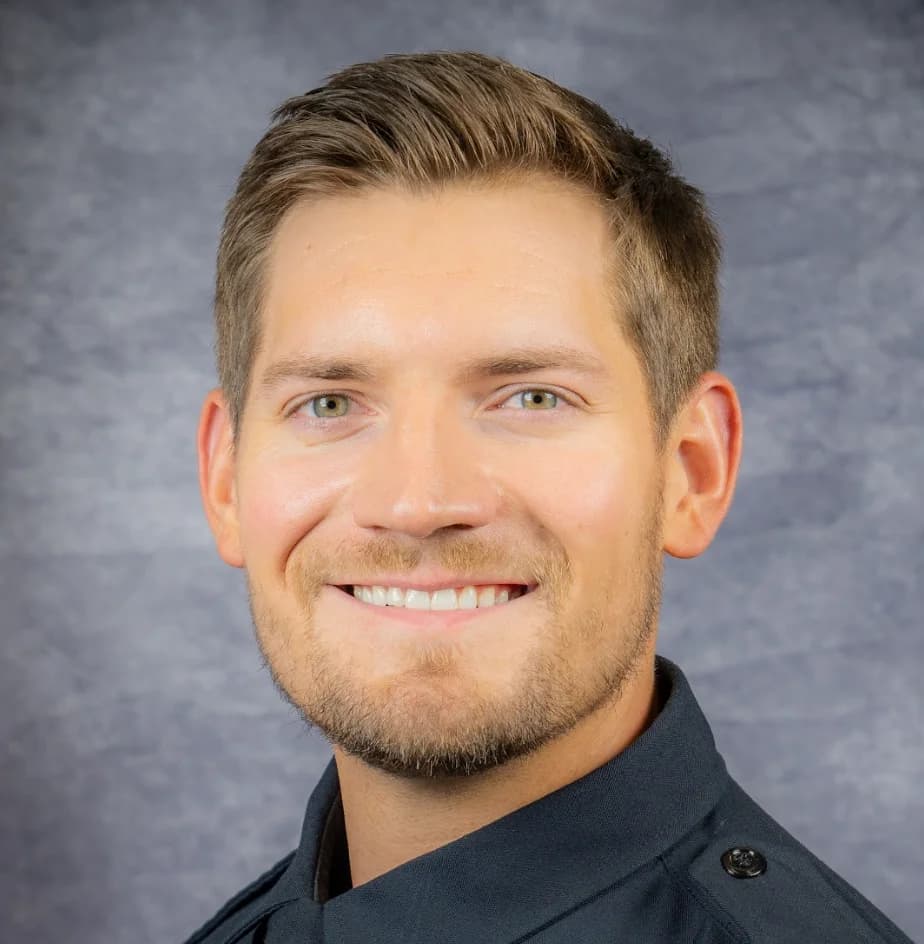
Founder & CEO, Duvoire Property Management
Michael is a Reno-Tahoe property owner and hospitality expert who founded Duvoire to bring institutional-grade management with a personal, local touch to every property in the region. He writes about vacation rental strategy, market trends, and property investment across the Sierra Nevada.
View full profile